Home / Protection and presentation of art and heritage
Protection and presentation of art and heritage
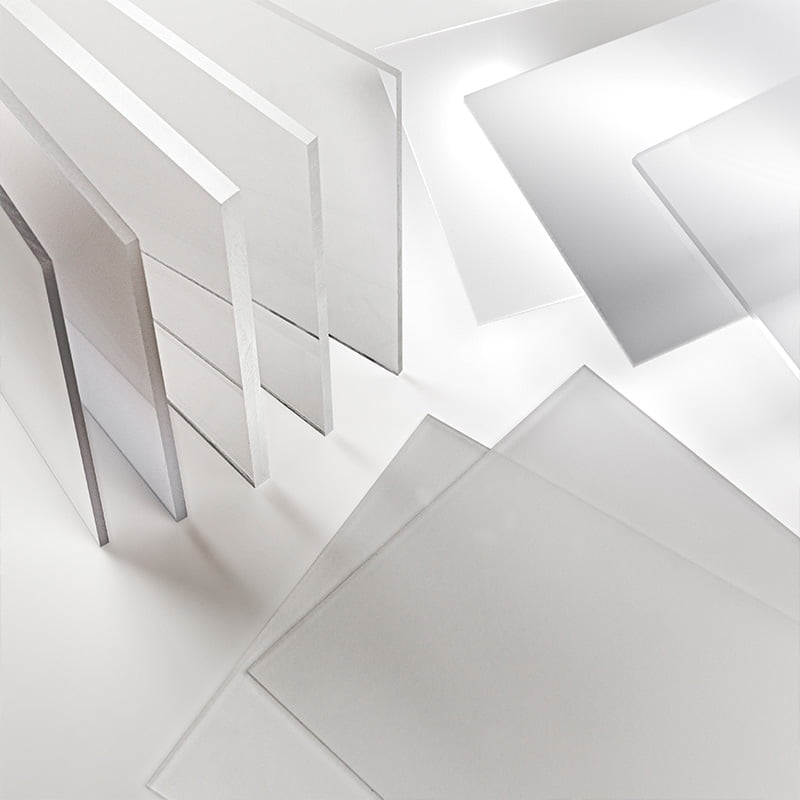
In the world of art and heritage, protecting valuable objects is invaluable. Preserving artworks and historical artefacts requires not only careful handling but also advanced technologies to shield them from harmful elements such as dust, UV radiation, and scratches. This is where museum glass comes into play, but we take it a step further with museum acrylic.

Protection against
UV Radiation and scratches
One of the key features of museum acrylic is its UV resistance. This acrylic is designed
to block harmful UV rays, protecting artworks and artefacts from fading and
degradation due to prolonged exposure to sunlight. Additionally, it can be
treated with scratch-resistant coatings to protect surfaces from damage that
could affect the aesthetics of the object.
Optimal presentation
with anti-reflective acrylic
Anti-reflective acrylic is specially designed to minimize glare and reflections, ensuring a clear and unobstructed view of the displayed object. This provides an optimal viewing experience for the audience, where the focus is fully on the artwork or artefact, without distracting reflections.
Custom solutions for various applications
Pyrasied focuses on the highest quality display materials for custom solutions across museums, galleries, and private collections. From glass domes to display case covers and display cases to framing, we offer customized solutions that meet our customer specific needs and requirements.
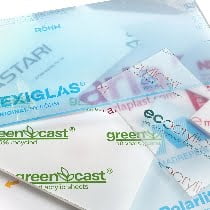
Our materials are also used to make display cases, (plastic) enclosures, and acrylic showcases. Plastic enclosures are popular for their lightweight and durability. Pyrasied provides a wide range of high-quality plastic materials, including recycled acrylic and PETG, ideal for use in museums and galleries.
Our acrylic display cases —customizable to your needs—ensure optimal presentation and protection of displayed objects. These showcases are particularly suited for museum use due to their clarity and strength. With our advanced bonding techniques, such as mitre and edge-to-edge glueing, we create seamless and exceptionally strong connections. This contributes to both an aesthetically pleasing and durable final product.
Museum acrylic as an innovative alternative
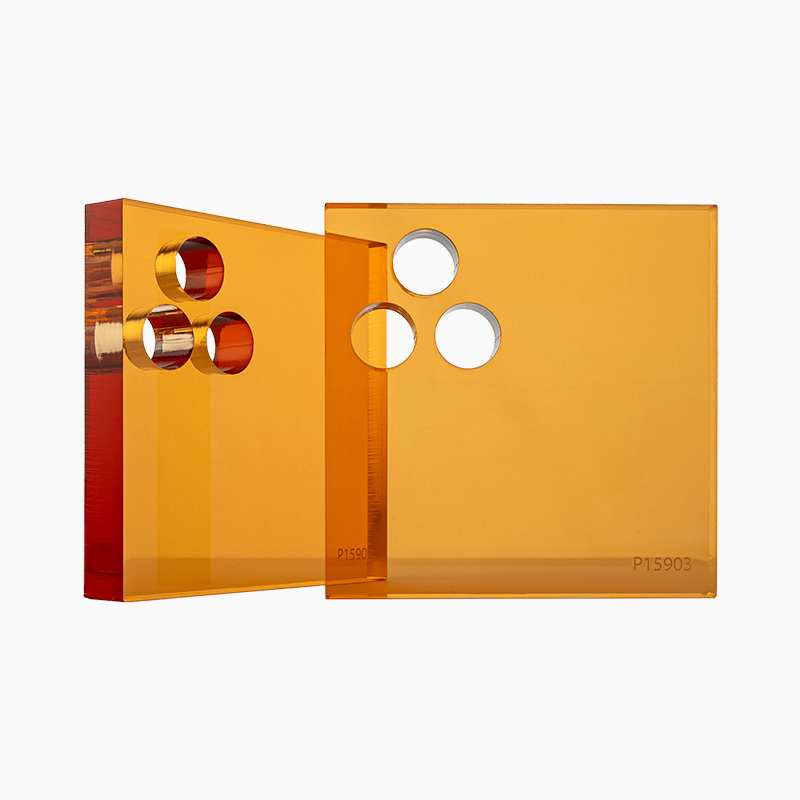
Museum acrylic is becoming increasingly popular due to its lightweight, shatter-resistant, and UV-resistant properties. This material is often used as an alternative to glass in situations where extra safety and flexibility are needed. It is an excellent alternative to museum glass.
What is museum glass?
Museum glass is made from extra-clear float glass with a metal oxide coating. Float glass is produced using a technique that makes it as flat as possible. The metal oxides slow down the light transmission in such a way that the light neutralizes itself. As a result, the glass appears almost invisible.
Difference between
museum glass and museum acrylic
Both museum glass and museum acrylic are excellent choices for protecting and displaying
artworks, but they have some key differences, making museum acrylic a perfect
alternative to museum glass.
One difference is that museum acrylic is lighter in weight than glass. It also protects against temperature fluctuations and is easy to process. It features an anti-reflective coating and offers higher UV protection to prevent discoloration. Additionally, museum acrylic is optically clearer than glass, ensuring that the artwork is optimally visible while being invisibly and discreetly protected. Acrylic is also 25 times stronger than glass, providing extra safety for exhibitions.


Discover the possibilities
We understand that every artwork, museum, and studio is unique, as is every
exhibition and display. Therefore we offer customized solutions that perfectly
match the specific needs and requirements of our customers. Curious about all
the possibilities? Contact us today and discover how we can work together to
protect and present precious collections for future generations.
Sustainability
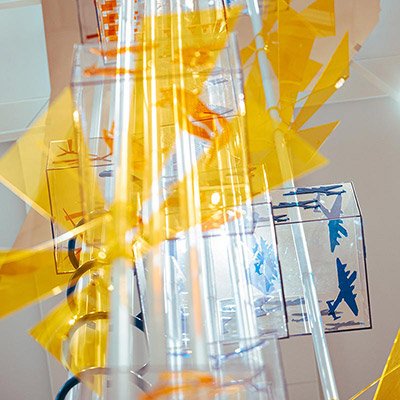
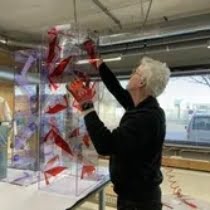
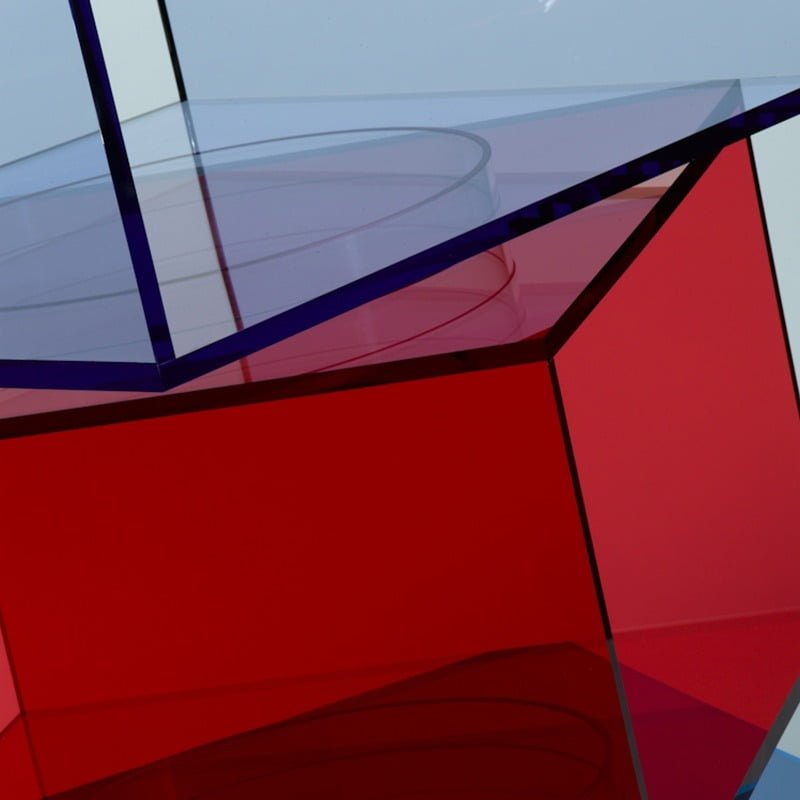
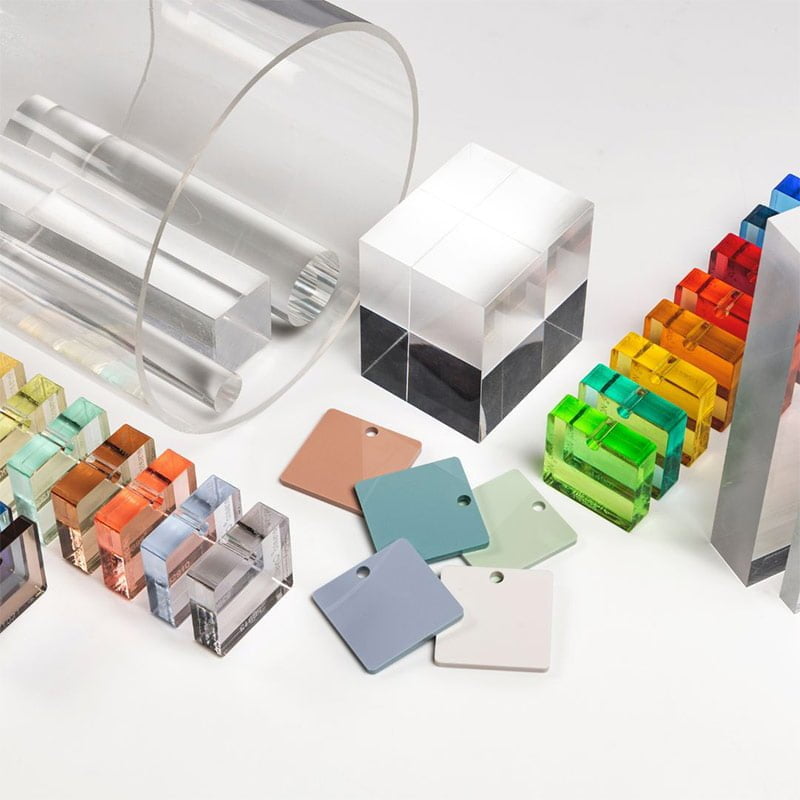
Our museum acrylic not only serves to protect valuable artworks but also contributes to the exhibition itself. It doesn’t always have to be colorless – it can certainly be colorful too! A fitting example is the Maritime Works exhibition at the Maritime Museum in Rotterdam. The designers deliberately chose acrylic to create transparency, allowing the artwork to shine. The concept focuses on the optical clarity and stability of the paintings, using museum-quality material. Furthermore, after the exhibition, the used museum acrylic is fully recycled and transformed into new sheet material.
Get in touch with the Pyrasied team directly
We can discuss projects with you, provide technical advice, send a sample, or process the sheet material for you—whatever you need.

Get in touch with the Pyrasied team directly

op je telefoon
Bewaar mijn gegevens